
AI + Grindhouse: The Perfect Symbiosis of Chaos and Code
Picture this: a rundown theater in the red-light district, the film rattling through the projector, the image grainy, the sound distorted, the film reel smoking – and that’s exactly the point. Grindhouse cinema lives off its dirty, imperfect aesthetic: grainy footage, blurry movements, a hint of decay, and the unbounded energy of „just going for it.“ It’s the cinema of low-budget ultras, the DIY spirit, and uncompromising genre rage.
And this is precisely where Artificial Intelligence enters the scene – not as a sterile high-tech tool, but as a digital partner in crime-style.
1. The Low-Budget Vibe That Doesn't Need a Budget
Grindhouse films were born out of necessity: little money, but loads of passion. AI blows this logic out of the water by looking deliberately cheap – but at a technical level that was previously impossible. With AI tools, you can generate a 70s-style trailer in minutes: faded colors, film burn, analog noise, shaky camera. You don’t have to scour archives or buy expensive filters – you prompt the vibe straight into existence.
„You need to understand camera composition, which shots alternate. Two close-ups in a row just won’t work.“ – Adil Alimzhanov, Content Lead at Higgsfield AI
Even with AI productions, cinematic craftsmanship remains essential – but the barrier to implementation drops to zero.
2. Speed Is the New Blood
Grindhouse lives off raw energy, not perfect planning. AI produces exactly like that: A 15-person team needs two weeks for a 95-minute feature film. Every single shot is born from a prompt – on average 3,000 words per shot, with precise specifications for camera, lighting, and physics. This isn’t coincidence, this is digital exploitation: fast, dirty, efficient.
And the best part? The mistakes stay. A twitching eye that misfires, a camera movement that stops too early – all of it is discarded and regenerated until the perfect imperfection is achieved. That’s exactly what Grindhouse is: the visible struggle between control and chaos.



3. Limits? What Limits?
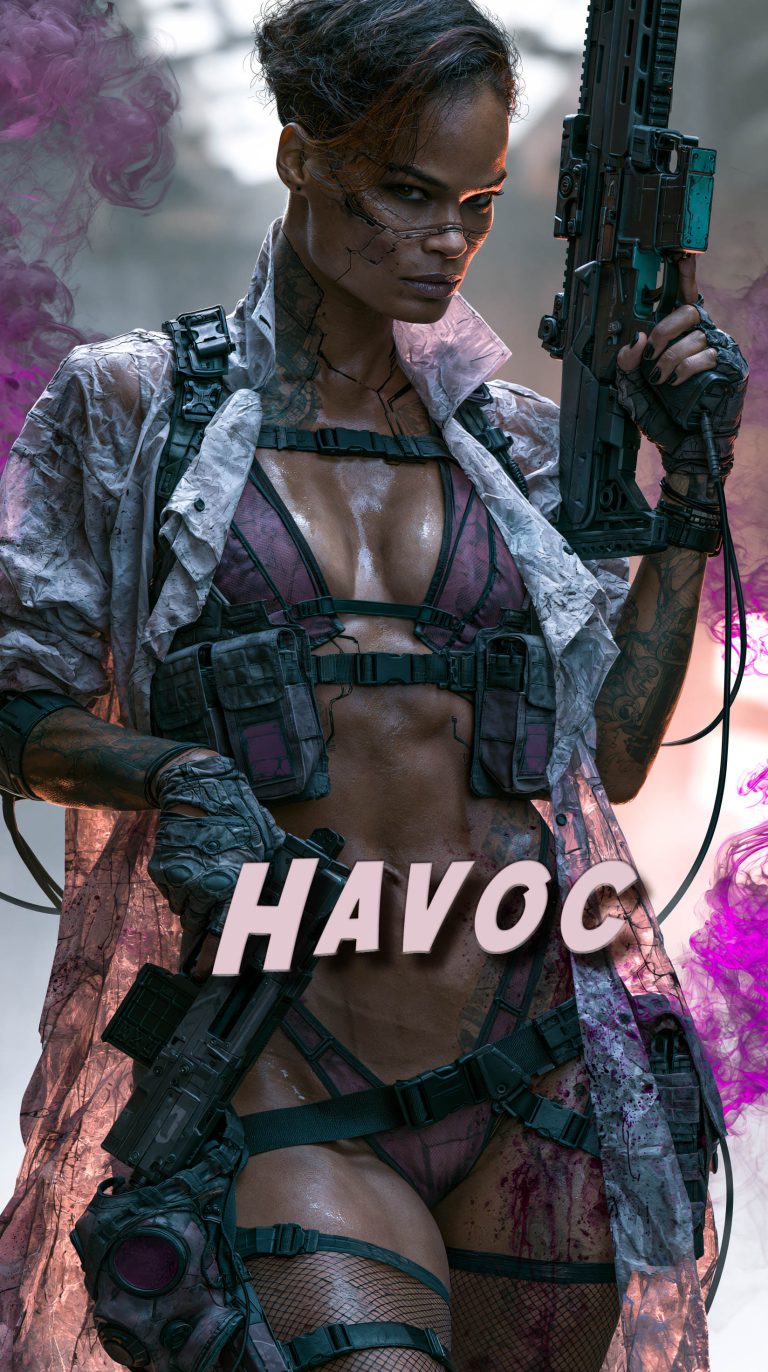
Grindhouse was always the genre of excess: over-the-top violence, absurd dialogue, wild genre-mashing of horror, action, sex, and martial arts. AI knows no budget limits, no filming permits, no weather conditions. You want a zombie invasion at a run-down roadside diner? A car racing through hell? A serial killer with a freakin‘ skateboard? Prompt – generate – done.
The first fully AI-generated feature film „Hell Grind“ premiered at Cannes in 2026 – 95 minutes of pure AI exploitation. This isn’t science fiction anymore. This is Grindhouse 2.0.


4. The Perfect Imperfection
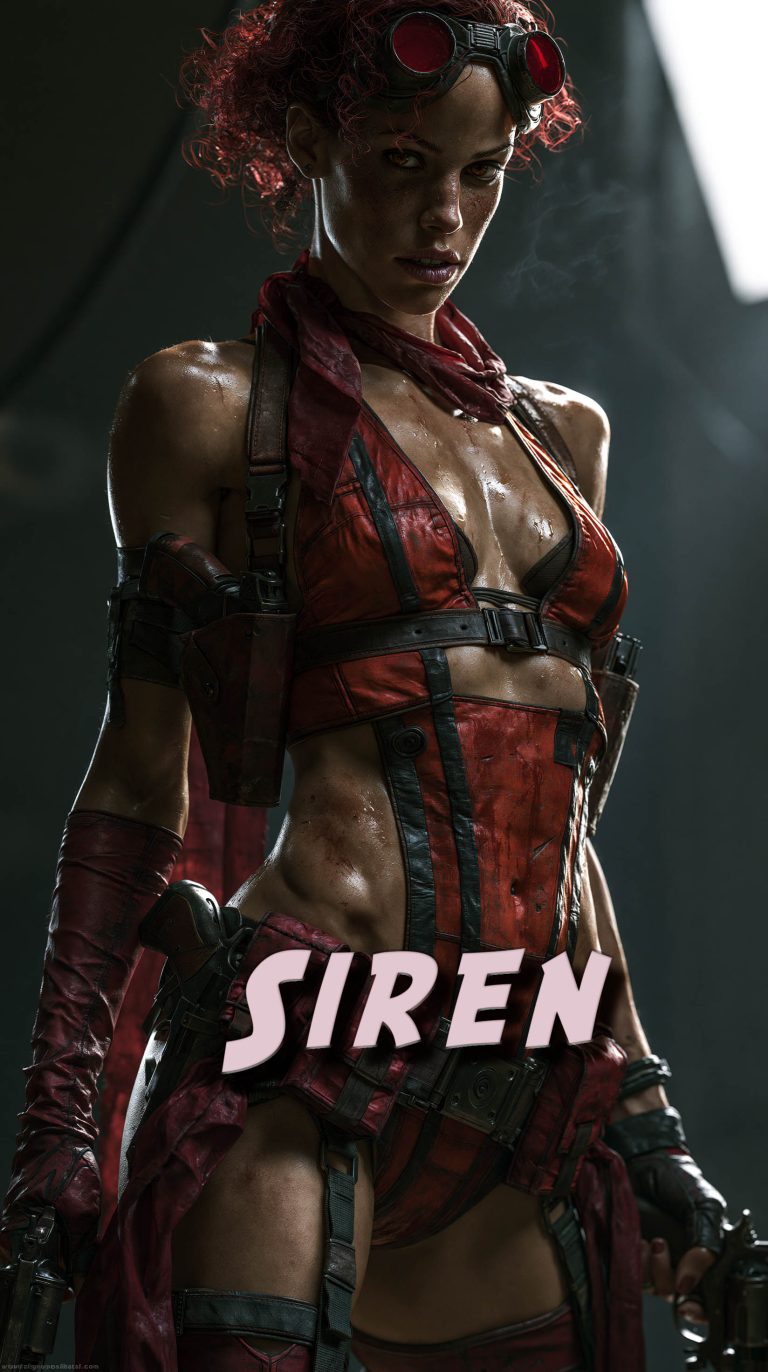
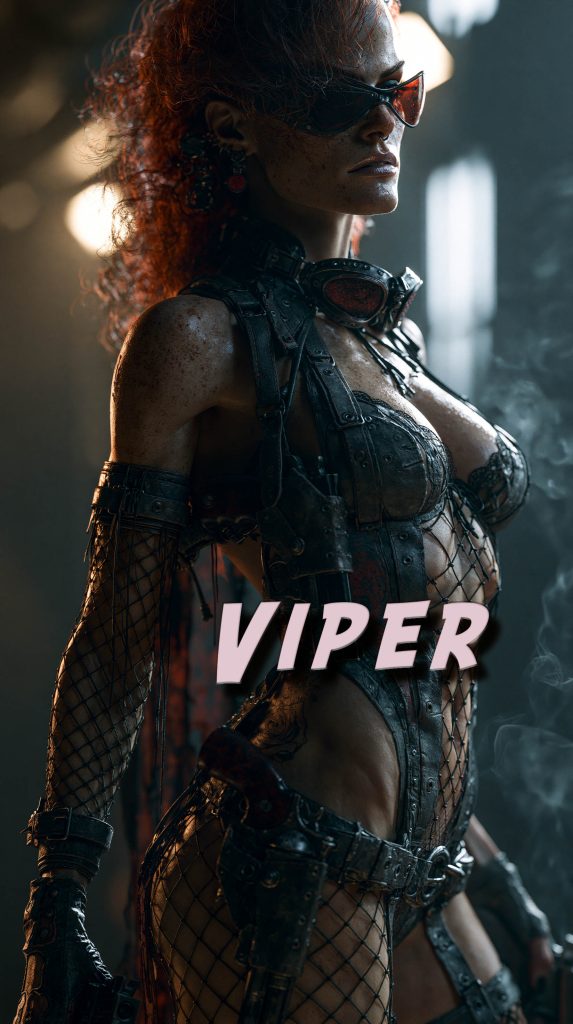
Grindhouse aesthetics are the aesthetics of error: image interference, grain, rough cuts. And these very „errors“ are what AI can not only reproduce but control perfectly. You decide how much noise, how much shake, how much distortion – until it’s exactly as grimy as you need it to be.
And the most beautiful part: You don’t have to be a studio. Anyone with a laptop and an idea can make a Grindhouse film today. No expensive gear, no massive crew – just you, your prompt, and the AI.
Conclusion: The Spirit Lives On
Grindhouse was never a genre of perfection – it was a genre of passion, excess, and defiance. AI is the first tool that doesn’t just preserve this spirit but amplifies it. It makes the impossible possible, the imperfect perfect, and low-budget into an aesthetic statement.
So, what are you waiting for? The screen awaits – and it’s dirtier than ever.